Victor: Graffiti Lettering for Embroidery
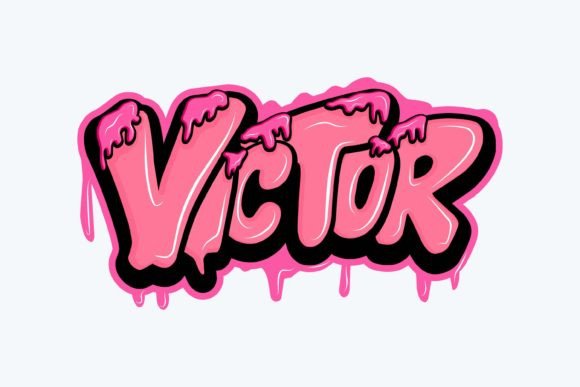
As a designer and embroidery product reviewer, I’ve seen my fair share of digital files. But when I first opened the Victor design, I was immediately struck by its boldness. This isn’t just another set of letters—it’s a statement. The graffiti-style typography has a raw energy that feels alive, almost like it was meant to be stitched onto something that moves, like a jacket or a tote bag. It’s not subtle, but that’s part of its charm.
The First Impression: A Design That Demands Attention
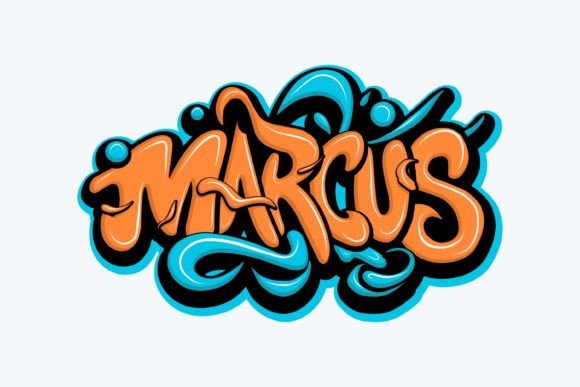
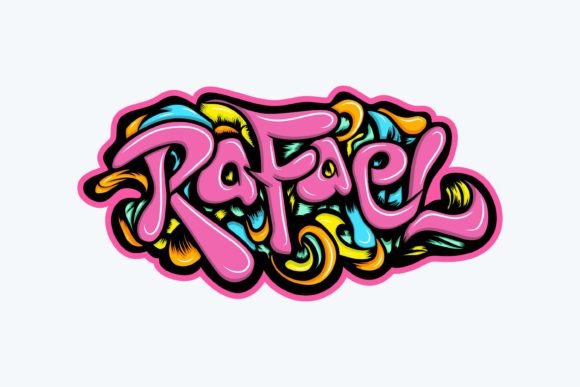
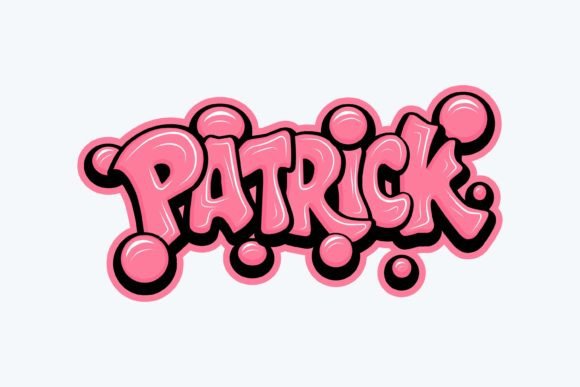
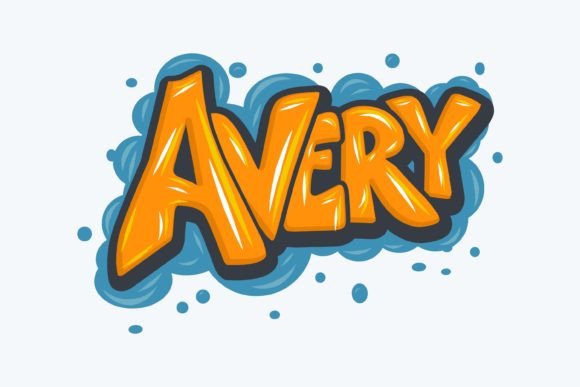
Victor’s visual personality is unapologetically edgy. The lettering has a rough, hand-drawn feel with sharp angles and thick strokes that give it a street art vibe. It’s perfect for projects that need a bit of attitude—think custom t-shirts, embroidered patches, or even baby onesies with a twist. The layout is clean, but the details are rich enough to hold up under close inspection. It doesn’t scream “commercial,” but it has the potential to stand out in a crowded market.
When I look at Victor, I imagine it on a leather jacket or a denim vest. It’s the kind of design that could easily become a signature piece for a small shop or an Etsy seller looking to offer something unique. The graffiti style also makes it ideal for holiday gifts or personalized items that have a personal touch.
Real-World Use: How Victor Performs in Embroidery Projects
I tested Victor on a few different fabrics to see how it would hold up. On a cotton t-shirt, it looked great—clean lines and good contrast. But when I tried it on a dark fabric, I noticed that the detail wasn’t as crisp. That’s something to keep in mind if you’re planning to use it on black or navy backgrounds. The same goes for thin or stretchy materials; Victor’s bold lines might get lost or distorted.
For a custom tote bag, Victor worked well, especially when using a satin stitch for the main letters. The fill areas were smooth and didn’t show any gaps. However, the smaller details—like the tiny flourishes on the ends of some letters—required careful attention. If you’re using this on a patch or a small hoop, you’ll need to make sure your machine can handle the level of detail without breaking stitches.
One thing I appreciated was the file versatility. Victor comes in AI, EPS, and SVG formats, which means it’s easy to scale and edit. As a designer, that flexibility is a huge plus. Whether you’re creating a printable mockup or preparing a file for a client, having multiple options gives you more control over the final outcome.
Where to Use Victor Carefully
While Victor is a strong design, there are situations where it might not be the best fit. For example, if you’re working with small hoop sizes, you might find that some of the finer details don’t translate well. Similarly, on textured or stretchy fabrics, the design could lose some of its sharpness. It’s also not the best choice for baby clothes unless you’re willing to simplify the design slightly.
If you’re planning to use Victor on a curved surface like a cap or a hat, you’ll need to adjust the design to account for the curve. Otherwise, the lettering might appear stretched or distorted. And if you’re going for a minimalist look, Victor’s bold style might be too much. It’s a design that needs space to breathe.
Impact on Visual Appeal and Customer Perception
Victor has a high visual impact, which can be both a strength and a challenge. When done right, it adds a lot of character to a finished product. But if the stitching isn’t precise, it can look messy. That’s why testing on scrap fabric before committing to a project is essential. It helps you see how the design will look in real life and make any necessary adjustments.
From a business perspective, Victor could be a valuable asset for an Etsy seller or a craft business owner. Its unique style makes it stand out, which can increase customer interest and engagement. However, it’s important to remember that not every customer will love the graffiti aesthetic. Some might prefer something more traditional or subtle.
Practical Designer Notes for Using Victor
Before jumping into a project with Victor, here are a few things to consider:
- Test on scrap fabric to see how the design looks and stitches.
- Check thread color contrast against the fabric to ensure visibility.
- Review stitch density to avoid puckering or distortion.
- Confirm hoop size to make sure all elements fit comfortably.
- Inspect small details for any issues that might arise during stitching.
- Test in black and white mockups to see how it translates without color.
- Compare light and dark fabric backgrounds to determine the best application.
- Use proper stabilizer for delicate or stretchy fabrics.
- Check licensing before selling finished items or digital products.
Victor is a strong, versatile design that can work well in a variety of embroidery projects. Its graffiti style adds a modern edge that can appeal to a wide range of customers. But like any design, it requires thoughtful application to ensure the best results. Whether you're creating a custom t-shirt, a handmade gift, or a boutique product, Victor has the potential to elevate your work—if used correctly.