Rafael: Graffiti Lettering for Embroidery
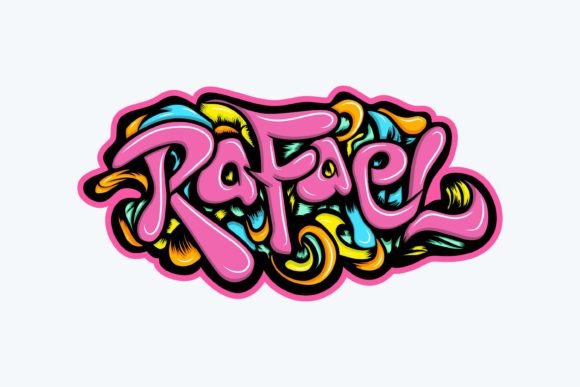
As a designer who’s spent years working with machine embroidery designs, I always start by asking myself: does this design feel right for real-world use? Rafael, a graffiti lettering typography art illustration, caught my eye because of its bold style and versatility. But what really matters is how it performs in actual embroidery projects—especially when it comes to custom apparel, handmade products, and small business needs.
The First Impression: Bold, Edgy, and Ready for Action
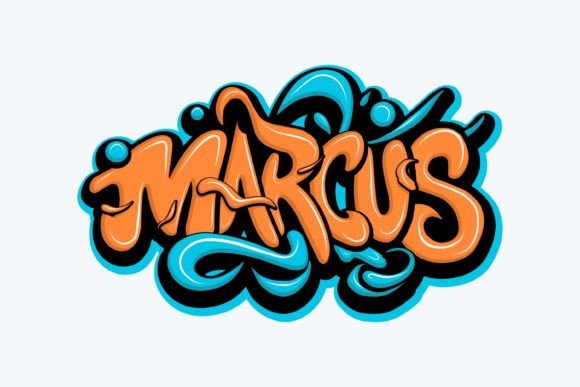
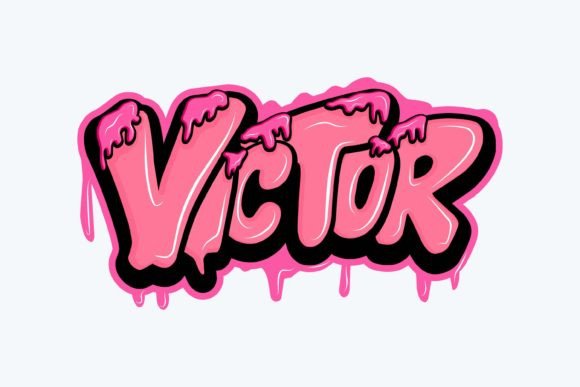
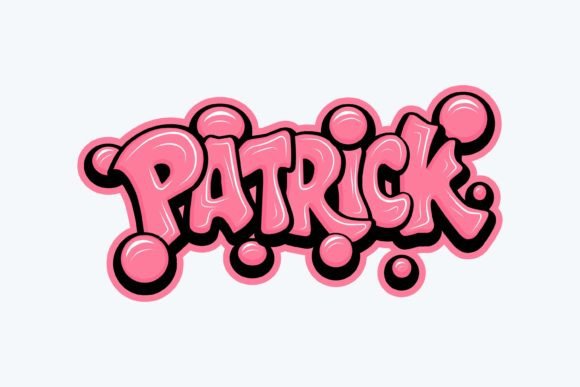
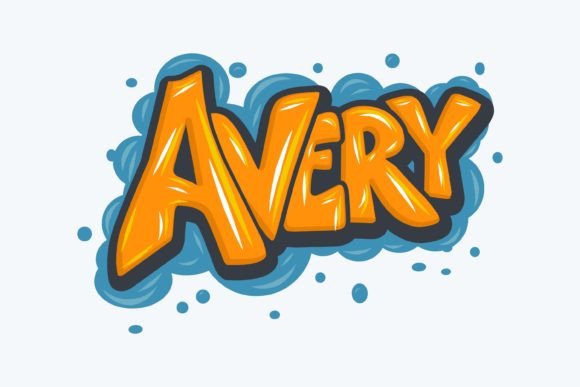
Rafael immediately conveys a sense of energy and urban flair. The lettering is sharp, the layout is clean, and the overall visual personality feels modern and rebellious. It’s not the kind of design you’d pair with a formal event—it’s more suited for casual wear, streetwear, or anything that benefits from a little attitude. The graffiti aesthetic makes it ideal for t-shirt designs, but it also has potential beyond that.
Looking at the details, the design seems to be built with flexibility in mind. It’s 100% editable vector, which means it can be resized, restructured, or modified without losing quality. That’s a big plus for anyone looking to adapt it for different project sizes or fabric types.
Real-World Embroidery Use Cases
One of the first things I think about when evaluating an embroidery design is how it translates to different materials and garment types. Rafael works well on cotton t-shirts, sweatshirts, and tote bags, where the texture isn’t too heavy. But it also has potential for other items like aprons, baby clothes, or even embroidered patches.
For a custom embroidered tote bag, Rafael would stand out as a unique statement piece. Its bold lines and high contrast make it easy to read, even from a distance. On a sweatshirt, it could add a cool, artistic touch that appeals to a younger demographic. For baby items, the design might need some adjustments—like simplifying the lettering or reducing the size—but it’s still a strong candidate for a personalized gift.
When it comes to caps or hats, Rafael could work if the hoop size allows. But I’d be cautious with curved surfaces—those tiny details might get lost or distorted during stitching. It’s also important to consider the fabric type. Thin or stretchy materials might require extra stabilizer to prevent puckering or distortion.
Where Rafael Shines and Where to Be Cautious
Rafael excels in flat, smooth fabrics like cotton, canvas, or denim. It handles satin stitch and fill stitch well, making it suitable for both simple and complex applications. However, there are a few areas where caution is needed.
- Small hoop sizes: If you’re using a smaller hoop, you may need to break the design into sections, which can complicate the process.
- Textured fabrics: Fabrics with a lot of nap or texture might make the design look less crisp.
- Thin or stretchy fabric: These can cause the design to pucker or shift during stitching.
- Dark fabric: While Rafael looks great on light backgrounds, it might not show up as clearly on dark colors unless you adjust the thread color.
- Detailed corners: The sharp edges and intricate parts of the lettering may require careful stitching to avoid fraying or distortion.
For commercial embroidery projects, Rafael is a solid choice, especially if you’re targeting a younger, edgier audience. But if you're planning to sell finished products, always check the licensing terms before using it for resale or digital distribution.
Design Impact on Visual Appeal and Customer Perception
A good embroidery design should do more than just look good—it should enhance the value of the product and build trust with customers. Rafael adds a unique, artistic element that can elevate a basic t-shirt into something special. It’s perfect for handmade products that need a personal touch, whether it’s for an Etsy shop, a craft fair, or a boutique brand.
From a customer perspective, designs like Rafael can make a product more memorable. They’re eye-catching, and they often spark conversation. This is especially true for personalized gifts, where the design plays a key role in the emotional connection between the gift and the recipient.
But it’s not just about aesthetics. The clarity of the stitching matters too. If the design is too dense or too sparse, it can affect the overall look and durability. Testing Rafael on scrap fabric before applying it to a final product is a smart move. It helps you see how the stitches will look and whether any adjustments are needed.
Practical Designer Notes for Using Rafael
Here are a few quick tips I’ve learned over the years that apply to Rafael:
- Test on scrap fabric: Always try the design on a similar material before committing to a final project.
- Check thread color contrast: Make sure the thread color complements the fabric and highlights the design.
- Review stitch density: Adjust the density if needed to ensure the design is neither too stiff nor too weak.
- Confirm hoop size: Ensure the design fits within your machine’s hoop dimensions.
- Inspect small details: Look closely at the corners and fine lines to make sure they’ll hold up during stitching.
- Test in black and white mockups: This helps you see how the design will look on different backgrounds.
- Compare light and dark fabric: Some designs may need a color adjustment depending on the background.
- Use proper stabilizer: This prevents puckering and keeps the design looking clean.
- Check for commercial use: Confirm that the design is licensed for your intended purpose.
Rafael is a versatile, high-quality design that can fit into a wide range of embroidery projects. Whether you're an Etsy seller, a small business owner, or a hobbyist, it offers a fresh, stylish option that can help you stand out in a competitive market.