Patrick: Graffiti Lettering Review
As an embroidery designer and product reviewer, I’ve seen my fair share of digital designs—some that feel like a perfect fit for real-world use, and others that fall short in practical application. Patrick, a graffiti lettering typography art illustration, stands out as a design that has both visual flair and functional potential. But like any machine embroidery design, it’s not one-size-fits-all. Let’s break down what makes Patrick work—and where it might need a little extra care.
The First Impression: Bold, Urban, and Full of Energy
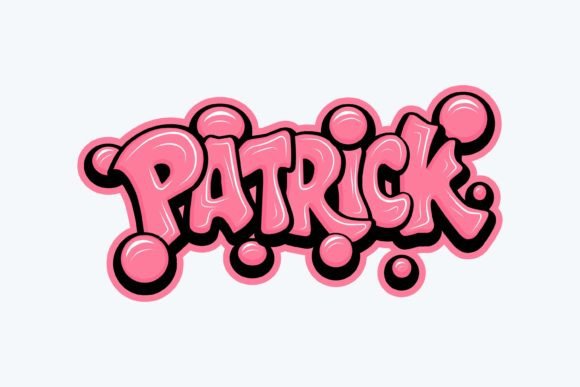
Patrick immediately grabs attention with its aggressive, graffiti-inspired lettering. The design has a raw, edgy vibe that feels right at home on custom apparel, especially when the goal is to make a statement. The layout is dynamic, with overlapping shapes and a sense of movement that gives it a street-art aesthetic. It’s not subtle, but that’s part of its charm. This isn’t a design for something delicate or minimalist—it’s meant to be bold, eye-catching, and unapologetically loud.
The detail level is high enough to show off in embroidery, but not so intricate that it becomes a nightmare to stitch. The letterforms are clean, and the overall composition is well-balanced. If you’re looking for something that can translate into a striking embroidered patch, tote bag design, or sweatshirt embroidery, Patrick could be a strong candidate.
Real-World Use: Where Patrick Shines
Patrick works best on flat, stable surfaces like t-shirts, sweatshirts, and tote bags. Its structure allows for clear stitching, especially when using satin stitch and fill stitch techniques. For a custom apparel project, this design would look great on a plain white or light-colored fabric, where the contrast between the lettering and the background is strong. It also pairs well with dark fabrics if the thread color is chosen carefully.
For small business owners and Etsy sellers, Patrick could be a solid addition to a collection of T-Shirt Designs. It’s versatile enough to be used on baby clothes, aprons, and even holiday gifts. The vector files provided (AI, EPS, SVG) make it easy to scale and edit, which is a big plus for anyone looking to create printable mockups or digital product previews.
One of the key advantages of Patrick is its 100% editable vector and master file format. This means you can tweak the design to better suit your specific project, whether it’s adjusting the size for a cap or reworking the layout for a pillow cover. It’s a flexible asset that can be adapted for different uses without losing quality.
Where to Be Cautious: Limitations and Considerations
Despite its strengths, Patrick isn’t ideal for every embroidery project. Small hoop sizes, for example, could be a challenge. The design’s complexity may require a larger hoop to ensure all elements are stitched properly. If you’re working with a limited hoop space, you might need to break the design into sections or simplify parts of it.
Textured or stretchy fabrics can also be problematic. The dense areas of the design might not sit well on thin or stretchy materials, leading to puckering or distortion. Similarly, dark fabrics may require a different thread color to maintain visibility. Always test the design on scrap fabric before committing to a final project.
Another thing to consider is how Patrick looks in black and white mockups. While the design has a strong visual identity, it might lose some of its impact when printed in monochrome. This is important if you’re creating printable mockups for clients or showcasing the design in digital product listings.
Impact on Visual Appeal and Customer Perception
When it comes to visual appeal, Patrick delivers. Its graffiti style is modern and appealing to a younger demographic, making it a good fit for boutique products, craft fair items, and small shop merchandise. The design adds a unique touch that can elevate a handmade product or personalized gift, giving it a more professional look.
Stitching clarity is another factor. As long as the design is properly hooped and stabilized, Patrick should come out clean and sharp. However, if the stitch density is too high or the stabilizer isn’t adequate, the details might get lost or distorted. Always check the stitch density and adjust as needed.
From a customer perspective, a well-executed Patrick design can boost product value and buyer engagement. It’s a conversation starter, and that’s valuable for any craft business or Etsy seller. It also helps with brand consistency, especially if you’re building a collection of similar designs.
Practical Designer Notes: Testing and Preparation
Before using Patrick in a commercial embroidery project, there are several steps I recommend taking. First, test the design on scrap fabric to see how it looks in real life. This will help you identify any issues with the stitch pattern or thread color contrast.
Check the hoop size requirements and make sure your embroidery machine can handle the design. If the design is too large for your hoop, you may need to split it into smaller sections or resize it accordingly.
Inspect the small details, especially in areas with tight corners or intricate lettering. These can sometimes get lost during the stitching process, especially on complex designs. Also, compare the design on both light and dark fabric backgrounds to ensure it remains visible and effective in all contexts.
Finally, confirm the licensing terms before selling finished items or digital products. Even though the design is 100% editable, it’s always wise to double-check the usage rights to avoid any legal issues down the line.
Conclusion: A Design That Needs the Right Fit
Patrick is a strong machine embroidery design that brings energy and personality to any project it’s used in. It’s best suited for custom apparel, tote bags, and other flat-surface applications where the design can shine. However, it’s not a universal solution—it requires careful consideration of fabric type, hoop size, and stitch density to achieve the best results.
If you’re an embroidery designer, small business owner, or craft entrepreneur looking for a bold, versatile design, Patrick could be worth exploring. Just remember to test it thoroughly and tailor it to your specific needs. With the right approach, it can become a standout piece in your portfolio or product lineup.