Avery: Graffiti Lettering for Real Projects
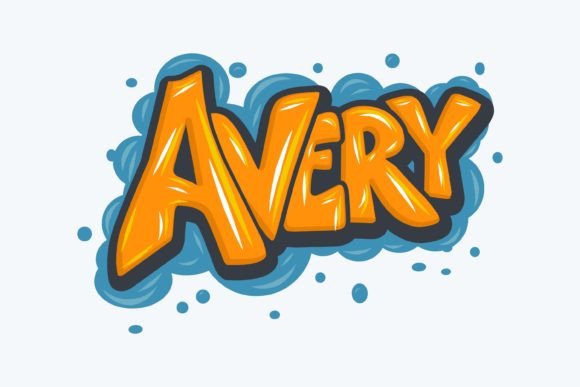
As a designer who’s worked with countless embroidery files, I always start by asking: does this design feel like it was made for real use? Avery, a graffiti lettering typography art illustration, has a bold, edgy vibe that immediately catches the eye. Its raw, urban aesthetic makes it perfect for custom apparel, but how does it hold up in actual embroidery work? Let’s break it down.
The First Impression: Bold and Unapologetic
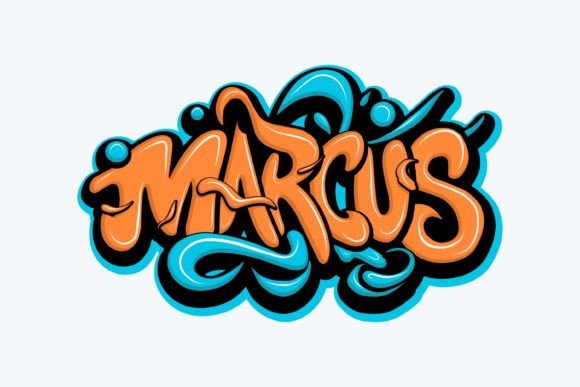
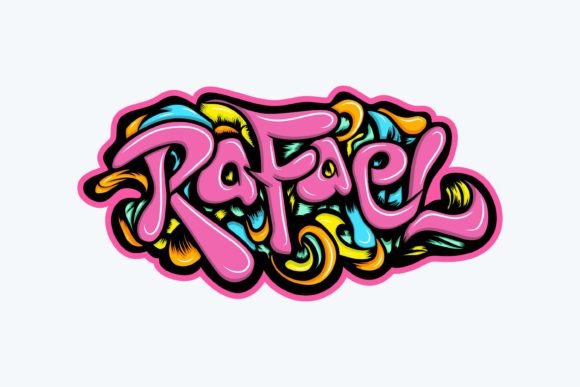
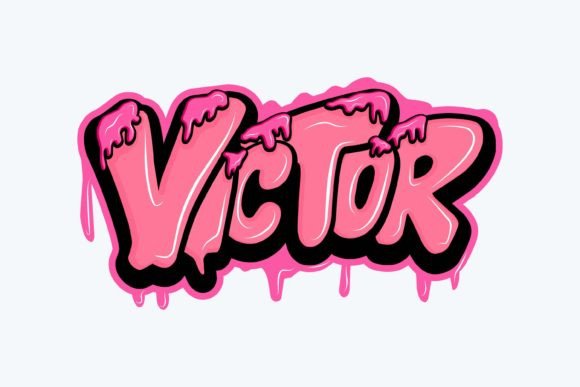
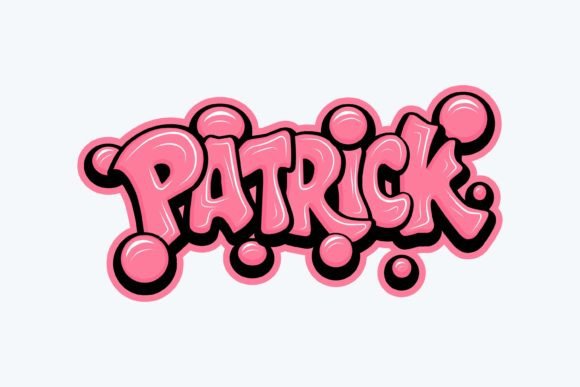
Avery’s visual personality is unmistakable. The graffiti-style lettering feels dynamic, almost like it’s jumping off the page. The layout is clean but energetic, with a mix of thick strokes and sharp angles that give it a street-art flair. It’s not subtle, but that’s part of its charm. This design screams “statement piece,” which makes it ideal for projects that need to stand out—like a custom embroidered tote bag or a sweatshirt with a unique twist.
The detail level is high enough to be visually interesting without being overly complex. That means it should translate well into machine embroidery, especially if you’re using a design with clear lines and defined shapes. It’s the kind of file that can elevate a basic t-shirt into something memorable.
Real-World Use: Where Avery Shines
When I think about where Avery would fit best, I picture a small business owner creating custom merchandise for a boutique or an Etsy shop. It’s perfect for items like aprons, caps, or even baby onesies that need a little edge. The design works well on light-colored fabrics, where the contrast between the lettering and the background is most effective.
For a handmade product, Avery adds a layer of personality that customers love. It’s the kind of design that makes a personalized gift feel more thoughtful. Whether it’s a holiday ornament, a custom pillow cover, or a branded item for a craft fair, Avery brings energy and style to the finished product.
One thing to note: this isn’t a design for minimalists. If you’re going for a clean, simple look, Avery might be too intense. But for those looking to make a statement, it’s a strong choice.
Where Avery Needs Careful Handling
While Avery is visually striking, it’s not without its challenges. The design’s intricate details and sharp corners could be problematic on smaller hoop sizes. If you’re working with a cap or a patch, you’ll need to ensure your hoop is large enough to accommodate the entire design without cutting off any parts.
Textured fabrics, thin materials, or stretchy garments may also pose issues. Avery’s dense stitch areas could cause puckering or distortion if not stabilized properly. A good stabilizer is essential, especially when working with delicate or stretchy fabrics.
On dark fabrics, the design might not show up as clearly. You’ll want to test it on different colors before committing to a project. Similarly, if you’re planning to use Avery on a layered garment or a curved surface, you’ll need to adjust the placement carefully to avoid awkward stitching.
Impact on Visual Appeal and Customer Perception
Avery has the potential to boost the visual appeal of any project it’s used on. Its boldness makes it instantly recognizable, which is great for branding or marketing. When customers see a design like this on a product, they often associate it with creativity and quality—two key factors that can increase trust and engagement.
For a small shop product or an Etsy listing, Avery can help differentiate your offerings from the competition. It adds a sense of uniqueness that can make your handmade products more desirable. Plus, because it’s a digital embroidery file, it’s easy to scale and apply to various items, making it a versatile asset for any craft business.
But remember: the success of Avery depends on how well it’s executed. Poor stitching, incorrect thread colors, or improper placement can ruin the effect. That’s why testing is so important.
Practical Designer Notes: What to Check Before Using Avery
Before using Avery in any project, here are a few things to keep in mind:
- Test on scrap fabric first. See how the design looks when stitched and whether it holds up under different conditions.
- Check thread color contrast. Make sure the colors you choose will stand out against the fabric you’re using.
- Review stitch density. High-density areas may need extra stabilizer or adjustments to prevent puckering.
- Confirm hoop size. Ensure the design fits comfortably in your hoop without being cut off.
- Inspect small details. Sharp corners and fine lines may require careful attention during stitching.
- Test in black and white mockups. This helps you see how the design will look without color distractions.
- Compare light and dark backgrounds. Some designs may not work as well on certain fabric colors.
- Use proper stabilizer. This is crucial for maintaining the integrity of the design, especially on tricky fabrics.
- Check licensing. Make sure you’re allowed to use Avery for both personal and commercial projects.
Final Thoughts: Avery for the Right Project
Avery is a strong choice for designers and small business owners who want to add a bold, artistic touch to their embroidery projects. It’s ideal for custom apparel, handmade gifts, and boutique merchandise where visual impact matters. However, it’s not a one-size-fits-all design.
If you’re looking for something that can stand on its own and make a statement, Avery is a solid option. Just be mindful of the practical considerations that come with its complexity. With the right approach, it can become a valuable addition to your design assets and a hit with your customers.