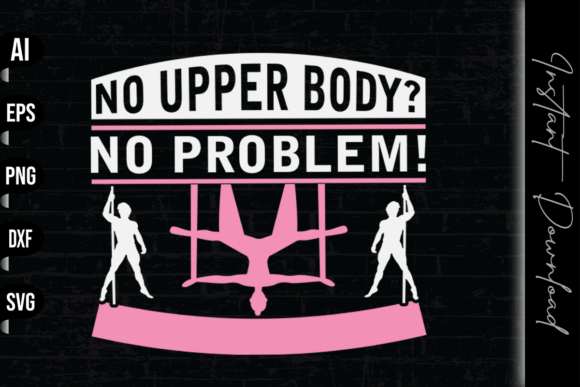
No Upper Body No Problem
As a designer and embroidery product reviewer, I’ve evaluated countless machine embroidery designs. When I first laid eyes on No Upper Body No Problem, I was immediately struck by its bold visual presence and clear message. It’s a design that demands attention, with a confident layout that works well on a variety of surfaces. The simplicity of the concept is its strength, making it adaptable for both casual and commercial use.
The First Impression
No Upper Body No Problem carries a vibe that’s both playful and empowering. The shape is clean, with a strong central graphic that doesn’t overwhelm the space. It’s not overly detailed, which makes it ideal for projects where clarity and impact are key. The theme is straightforward—no need to overthink it. This design feels like it belongs on a t-shirt, sweatshirt, or tote bag, but it also has potential for more niche applications like baby items or personalized gifts.
The layout is balanced, with enough negative space to avoid visual clutter. It’s the kind of design that would work well in an applique setup, especially if you’re using satin stitch or fill stitch for the main elements. The detail level is just right—enough to be recognizable without being too complex for most embroidery machines.
Real-Life Embroidery Scenarios
When I think about how No Upper Body No Problem would translate into real-world projects, I see it shining on custom apparel, particularly t-shirts and sweatshirts. It’s a great fit for a small business owner looking to create a statement piece that stands out. For Etsy sellers or craft entrepreneurs, this design could be a hit as a printable mockup or digital product preview.
It also has potential for non-apparel items. As a tote bag design, it adds a fun, conversational element that could resonate with customers. On a mug or phone case, it brings a sense of humor and personality. The versatility is one of its strongest points, making it a solid choice for anyone looking to expand their product line with a unique, ready-to-use design.
For baby items or nursery decor, the design’s simplicity helps it blend well with other elements. It could work as an embroidered patch on a onesie or a pillow cover. The clean lines make it easy to adapt to different fabric types and embroidery styles.
Where to Use With Caution
While No Upper Body No Problem is versatile, there are some situations where it might not perform as well. If you’re working with small hoop sizes, the design may require multiple hooping steps, which can be time-consuming. On textured fabrics or thin materials, the stitches might not show up as clearly, especially if the fabric isn’t properly stabilized.
Stretchy or dark fabrics can also pose challenges. The thread colors need to contrast well with the background to ensure visibility. If you’re planning to use this on a layered garment or a curved surface like a cap, you’ll need to test it first to make sure the design holds up under stress and movement.
Dense stitch areas or intricate corners might not look as crisp as they could on a simpler design. If you’re aiming for a high-end handmade product, you’ll want to pay close attention to the stitching quality and overall finish.
Impact on Visual Appeal and Customer Perception
This design has a strong visual appeal that can elevate the value of any finished product. Whether it’s a custom sweatshirt or a printed card, No Upper Body No Problem adds a touch of personality that can make a big difference in customer engagement. It’s the kind of design that people notice and remember, which is essential for brand recognition and repeat business.
From a professional standpoint, using this design can help reinforce your brand’s identity. It shows that you understand what your audience wants and can deliver it effectively. For small shop products or boutique merchandise, it adds a layer of creativity and authenticity that resonates with handmade shoppers.
As a personalized gift, it’s a great conversation starter. Whether it’s for a holiday, wedding, or just a thoughtful gesture, the design’s message is clear and impactful. It also works well as a marketing tool, helping to build trust with customers who appreciate unique, well-crafted items.
Practical Designer Notes
If you’re planning to use No Upper Body No Problem in your next project, here are a few things to keep in mind. First, always test the design on scrap fabric before committing to a final product. This will help you assess how the stitches look on different materials and identify any issues early on.
Check the thread color contrast against your chosen fabric. A bright thread on a dark background might be too harsh, while a muted tone on a light fabric could be lost. Review the stitch density to ensure it’s appropriate for the fabric type and intended use.
Confirm the hoop size required for the design and make sure your machine can accommodate it. If the design is large, you may need to break it into sections. Inspect small details closely—sometimes subtle elements can be overlooked during the design process.
Test the design in black and white mockups to see how it looks without color. Compare it on both light and dark fabric backgrounds to get a full understanding of its versatility. Always use the proper stabilizer to prevent puckering or distortion, especially on stretchy or delicate fabrics.
Finally, check whether the design is suitable for both personal and commercial use. Confirm the licensing terms before selling finished items or digital products. This ensures you’re fully compliant and avoids any legal issues down the line.
Final Thoughts
No Upper Body No Problem is a solid machine embroidery design that offers a balance of style, functionality, and adaptability. It’s a great addition to any designer’s toolkit, especially for those looking to create unique, engaging products for their craft business or Etsy store. While it has limitations in certain scenarios, its strengths far outweigh its drawbacks when used appropriately.
Whether you’re working on a custom apparel project, a small shop product, or a personalized gift, this design has the potential to add value and appeal. Just remember to approach it with care, test it thoroughly, and use it in a way that aligns with your brand and customer expectations.