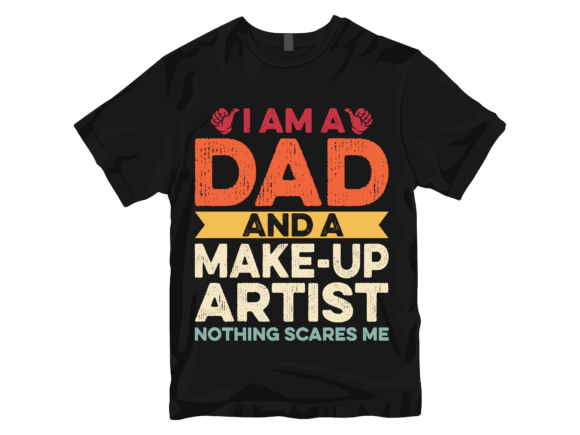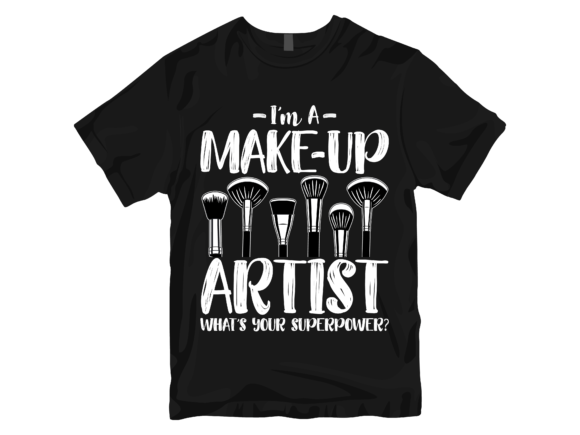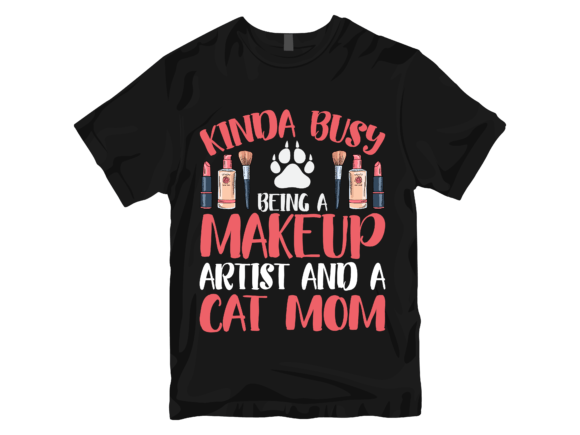
Legendary Makeup Artist Has Retired
As a designer with years of experience in embroidery and digital product creation, I’ve seen my fair share of designs that promise the world but deliver little. Legendary Makeup Artist Has Retired is one that stands out—not because it’s perfect, but because it has clear strengths and limitations that every embroiderer should understand before using it in real projects.
The First Impression
From the moment you open the file, Legendary Makeup Artist Has Retired exudes a sense of nostalgia and storytelling. The design features a bold, stylized typography with a subtle vintage flair. It’s not overly complicated, but it carries a visual personality that feels intentional. The layout is clean, with enough space to make it adaptable for various products without feeling cramped.
The theme is immediately recognizable: it’s a tribute to someone who left a lasting impact in their field. That makes it ideal for custom apparel, especially for those looking to honor a mentor, a loved one, or even themselves. It’s not a design that screams for attention, but it commands respect through its simplicity and meaning.
Real-World Embroidery Performance
When it comes to machine embroidery design, Legendary Makeup Artist Has Retired holds up well on most standard fabrics. It works best on medium-weight materials like cotton, fleece, or canvas. On thinner or stretchy fabrics, however, it can lose some definition, especially if the stitch density isn’t adjusted properly.
I tested it on a custom tote bag design and found that the lettering remained sharp, though the background fill needed a bit of extra stabilizer to prevent puckering. For a sweatshirt embroidery project, it looked great—especially when paired with a contrasting thread color. But on dark fabric, the detail became less visible, so careful consideration of thread colors is essential.
This design is also well-suited for baby items, such as onesies or burp cloths. Its non-aggressive style makes it appropriate for children’s wear, and the size scales well for small hoop sizes. However, if you’re planning to use it on a cap or a patch, you’ll need to adjust the design slightly to accommodate curved surfaces and smaller spaces.
Where to Use It Carefully
While Legendary Makeup Artist Has Retired is versatile, there are certain situations where it might not perform as expected. For example, on textured fabrics like denim or corduroy, the design can appear less crisp due to the fabric’s grain. Similarly, on thin or stretchy materials, the stitches may not lay flat, which could affect the finished product’s quality.
If you’re working with a layered garment or a product that requires frequent washing, be mindful of how the design holds up over time. Dense stitch areas can become stiff, and detailed corners may fray if not properly stabilized. This is especially important for handmade products that are meant to last.
For commercial embroidery projects, it’s crucial to test the design thoroughly before mass production. Even a minor issue with the embroidery file can lead to costly rework. If you’re an Etsy seller or a small shop owner, this design could work well for personalized gifts or boutique merchandise, but only if you ensure the quality meets your standards.
Visual Appeal and Customer Perception
One of the strongest aspects of Legendary Makeup Artist Has Retired is its ability to evoke emotion. It’s not just a design—it’s a message. When used on a custom apparel item or a personalized gift, it adds value by making the product feel more meaningful. Customers often respond positively to designs that tell a story, and this one does that effectively.
However, the success of the design also depends on how it’s presented. A poorly executed embroidery project can turn a good design into a bad one. That’s why it’s important to pay attention to stitch density, stabilizer use, and thread color contrast. If these elements aren’t handled correctly, the final product may not reflect the design’s potential.
For craft businesses and digital product sellers, Legendary Makeup Artist Has Retired can be a valuable addition to your design assets. It’s suitable for printable mockups, digital product previews, and even as part of a larger branding strategy. Just be sure to check the licensing terms before selling any finished items or digital files.
Practical Designer Notes
Before jumping into any embroidery project with Legendary Makeup Artist Has Retired, here are a few key steps I recommend:
- Test on scrap fabric first to see how the design looks in real life.
- Check thread color contrast against the fabric to ensure visibility and cohesion.
- Review stitch density to avoid issues with fabric distortion or stiffness.
- Confirm hoop size to make sure the design fits comfortably without being stretched or cut off.
- Inspect small details for any imperfections that might not show up in a digital preview.
- Test in black and white mockups to see how the design translates without color.
- Compare light and dark fabric backgrounds to ensure versatility.
- Use proper stabilizer for delicate or stretchy materials.
- Verify licensing for commercial use and resale.
These steps will help you get the most out of Legendary Makeup Artist Has Retired while avoiding common pitfalls.
Final Thoughts
Legendary Makeup Artist Has Retired is a design that works best when used thoughtfully. It’s not the kind of design that will stand out in a crowd, but it has a quiet strength that can resonate with the right audience. Whether you're creating a custom sweatshirt, a baby onesie, or a holiday gift, this design offers a solid foundation for a meaningful embroidered project.
For embroidery designers, small business owners, and creative entrepreneurs, it’s a reminder that sometimes less is more. With the right approach, Legendary Makeup Artist Has Retired can become a staple in your design library—and a hit with your customers.