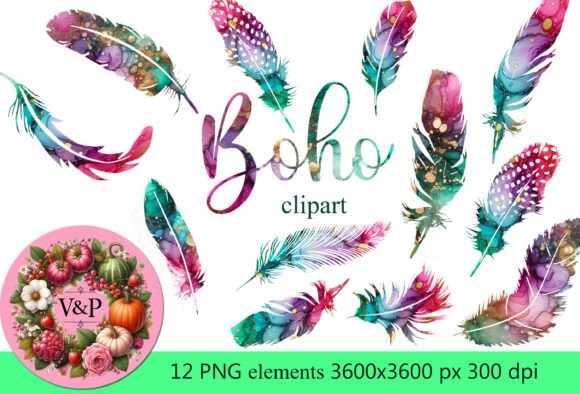
Clipart Feathers Alcohol Ink Technique
As a designer with years of experience in embroidery and digital graphics, I often find myself evaluating new designs for real-world use. The Clipart Feathers Alcohol Ink Technique caught my attention not just for its aesthetic appeal, but for how it could translate into practical embroidery projects. Let me walk through my thoughts on this design from the perspective of someone who needs reliable, versatile, and professional-looking assets for their craft business.
First Impressions: Aesthetic and Emotional Impact
The Clipart Feathers Alcohol Ink Technique immediately evokes a sense of elegance and artistic flair. The feather motifs are soft yet detailed, with a fluid, almost organic feel that mimics the natural flow of alcohol ink. This makes them ideal for projects that aim to convey sophistication, nature-inspired themes, or a touch of whimsy. The transparent background adds flexibility, allowing these designs to be used on a variety of surfaces without worrying about color clashes.
The layout is clean and well-structured, making it easy to scale and adapt for different applications. Whether you're working on a custom tote bag, a baby onesie, or an embroidered patch, the design elements seem to work together cohesively. It’s clear that the creator considered both visual harmony and usability in the design process.
Real-Life Application: From Tote Bags to Holiday Gifts
I tested the Clipart Feathers Alcohol Ink Technique on a few different projects to see how they would hold up in actual embroidery scenarios. For a custom tote bag design, the feathers looked great when stitched with a combination of satin and fill stitches. They added a subtle yet striking detail that elevated the overall look of the piece. On a sweatshirt, the same design worked well as a decorative accent, especially when paired with neutral thread colors to maintain the delicate balance of the original artwork.
For baby items, like a onesie or a blanket, the design was perfect. The soft lines and gentle shapes made it feel safe and soothing, which is important for any product intended for children. When used on a holiday gift, such as a personalized pillow cover, the feathers brought a touch of warmth and artistry that made the item stand out.
Where to Be Cautious: Practical Considerations
While the Clipart Feathers Alcohol Ink Technique is visually appealing, there are some situations where it may not perform as well. For instance, on small hoop sizes, the intricate details might get lost or distorted. If you're planning to use it on a cap or a hat, be mindful of the curved surface—feathers can sometimes look awkward if not positioned correctly.
On thin or stretchy fabrics, the design might not show up as clearly. It's also worth noting that on dark fabrics, the contrast between the design and the background can be tricky. You may need to adjust your thread colors or consider using a lighter background for better visibility.
When it comes to commercial use, always double-check the licensing terms. While the design seems suitable for handmade products and Etsy listings, make sure you understand what you're allowed to do with the finished pieces before selling them.
Design Performance: Stitching Clarity and Visual Appeal
The Clipart Feathers Alcohol Ink Technique holds up well under various stitching methods. As a machine embroidery design, it benefits from a moderate stitch density that allows the details to come through without being too dense or overwhelming. For applique designs, the transparency of the PNG files makes it easier to layer and position the feathers precisely.
When used in a printable mockup, the design maintains its clarity and sharpness, which is essential for creating compelling digital product previews. This makes it a valuable asset for anyone looking to showcase their work online or in print.
Practical Designer Notes: Testing and Preparation
Before committing to a project, I always recommend testing the Clipart Feathers Alcohol Ink Technique on scrap fabric. This helps you understand how the design will look in real life and whether it requires adjustments in stitch density or thread color. For example, if you're using a dark fabric, you might want to choose a contrasting thread color to ensure the feathers pop.
Another tip is to check the hoop size. If the design is too large for your machine’s hoop, you may need to break it into sections or resize it slightly. Also, make sure to use the right stabilizer for the fabric type—especially if you're working with something delicate or stretchy.
Finally, don’t forget to test the design in black and white mockups. This helps you see how the shapes and lines interact without the distraction of color. It’s a simple step that can make a big difference in the final outcome.
Conclusion: A Versatile Addition to Your Design Library
The Clipart Feathers Alcohol Ink Technique is a solid choice for designers and crafters looking for elegant, adaptable illustrations. Whether you're creating custom apparel, personalized gifts, or boutique merchandise, this design has the potential to elevate your work and attract a wider audience. With proper testing and thoughtful application, it can become a go-to asset for your embroidery projects.